About the project
Biophilic Governance is an evolving framework for rethinking how cities, institutions, and communities relate to the living world. It asks how earth-beings might move from being treated as background, resources, or objects of protection toward becoming meaningful participants in collective life. This shift brings important challenges: representation without appropriation, participation across radically different forms of life, conflicting needs and temporalities, and the tension between care, governance, and control.

Rethinking collective life with the living world
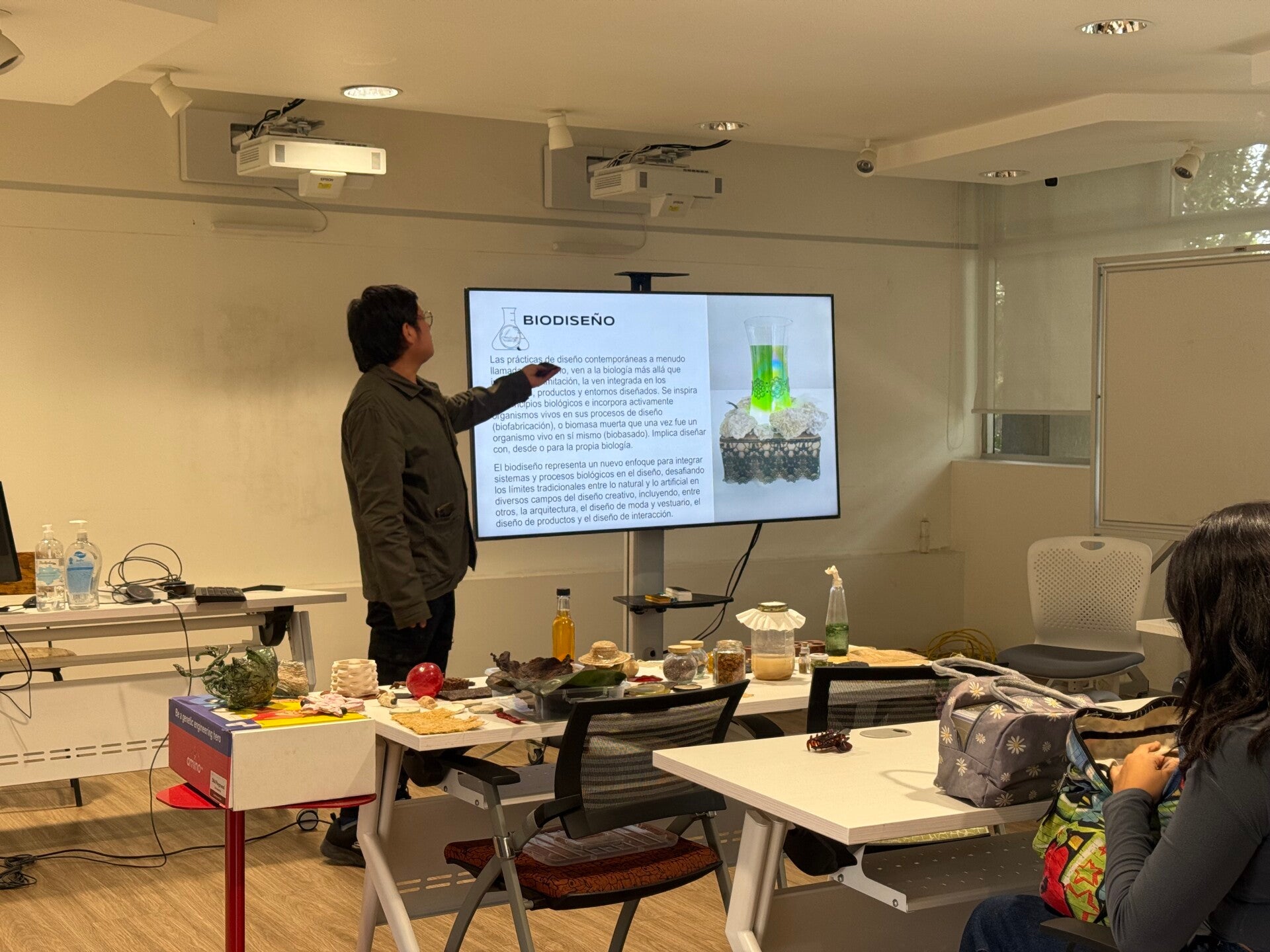
To move beyond standard notions of sustainability, we need a far more radical approach. The idea is to establish a think tank and experimental platform investigating multispecies tensions through four intertwined lenses: mitigators that reduce harm and establish conditions for coexistence; movements that reveal and mobilize emerging more-than-human agency; choreographies that explore relational rhythms and frictions; and governance experiments that test collaborative multispecies futures.
The Interdependence Lab and radical inquiry
The Interdependence Lab is proposed as a space to investigate these challenges through research, design, artistic practice, and public experimentation. Rather than searching for a single solution, the Lab works through four intertwined lenses: mitigators, which reduce harm and create conditions for coexistence; movements, which reveal and mobilize emerging forms of more-than-human agency; choreographies, which explore how relationships, rhythms, and forms of interdependence can be embodied and rehearsed; and tensions, which make visible the conflicts, contradictions, and negotiations inherent in multispecies life. Together, these become a think tank and experimental platform for imagining more caring, responsive, and interdependent forms of governance.
Translating inquiry into situated practice
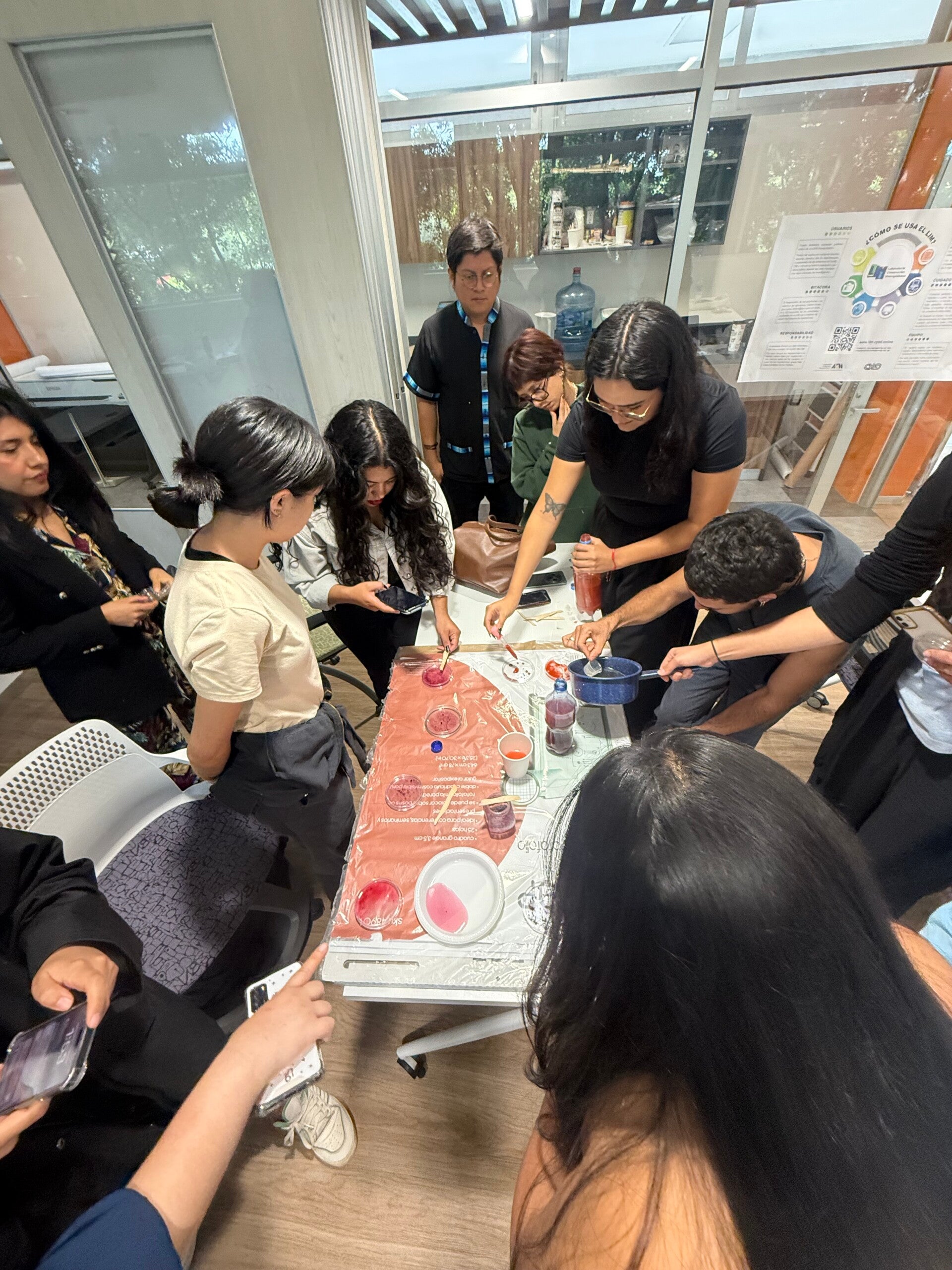
This work brings together embodied workshops, biophilic devices, field research, biosemiotics, participatory methods, visual and spatial mappings, and public interventions. Every inquiry begins with a situated question in a specific environment, combining listening, observation, and prototyping. Rather than proposing rigid, singular solutions, the possible outcomes offer generative tools, performative scores, and collaborative platforms for rehearsing more caring forms of coexistence.
Meet our team
The Biophilic Governance platform is developed through an interdisciplinary network of researchers, designers, artists, and specialists. The team brings together perspectives from design research, biotechnology, agroecology, choreography, participation, and embodied practice to explore more-than-human coexistence from multiple forms of knowledge.

Sergio Dávila Urrutia
Project Lead & Principal Researcher
Designer, educator, and PhD researcher developing the framework of Biophilic Governance. His work explores more-than-human participation, ecological care, biosemiotics, and interdependence through design research, participatory methods, speculative practice, and experimental pedagogy.

Xaviera Sánchez de la Barquera Estrada
Researcher & Collaborator — Relational and Participatory Design
PhD candidate at Umeå Institute of Design whose research explores unlearning, care, and celebration as relational design practices. She facilitates participatory workshops and community-based projects across Mexico and Scandinavia, grounded in feminist and decolonial perspectives.

Leonardo Zamora Zecua
Consultant — Biotechnology, Biofabrication & Agroecology
Biotechnology engineer, agroecologist, and biodesigner. He contributes expertise in biotechnology, biofabrication, biomaterials, and agroecological systems, supporting the project in developing scientifically grounded and materially experimental approaches to more-than-human collaboration.

Olga Privis
Consultant — Embodied Practices, Movement & Choreography
Dance artist, performer, choreographer, and movement pedagogue based in Tallinn. Her practice is rooted in embodied perception, improvisation, movement dramaturgy, and the relationship between body, space, and emotional experience. Within the project, she contributes to the exploration of embodied practices, movement-based inquiry, and choreographic approaches to interdependence.
"We must look beyond standard green design and venture into radical coexistence, testing how cities can listen, care, and govern alongside the more-than-human world."
Biophilic Governance | Connect via eMail to collaborate or organize a workshop
Create Your Own Website With Webador